Key Takeaways
- Desert landscaping works with the climate instead of against it, saving water, money and time.
- Start with a plan: study sun, shade and drainage, then divide the yard into zones before buying anything.
- Choose drought-tolerant and desert-adapted plants, and group them by water needs.
- Use drip irrigation, mulch and gravel to keep roots cool and cut water waste.
- Hardscape such as paths, patios and fencing gives structure and needs no watering.
- Local garden centers are a valuable source of advice on plants that thrive in your area.
- Check local watering schedules, rebates and landscaping rules before starting a big project.
A lush green lawn might look great in a magazine, but in a hot, dry climate it can mean high water bills, constant maintenance and a yard that struggles every summer. Desert landscaping takes a different approach. Instead of fighting the heat, it uses plants, materials and design choices that thrive in it.
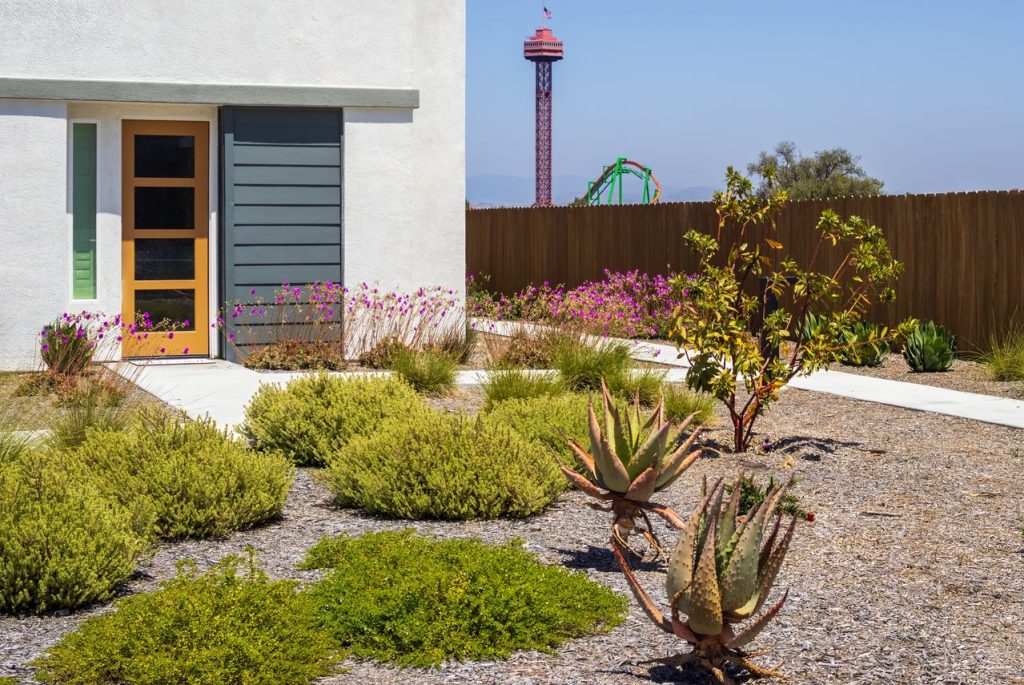
With the right desert landscaping ideas, the result can be just as beautiful as a traditional yard: sculptural agaves, bright desert wildflowers, shady trees, clean gravel paths and comfortable outdoor living spaces. This guide brings together practical low maintenance landscaping ideas for desert yards in Las Vegas and similar climates, from planning the layout and choosing plants to fencing, curb appeal and long-term care.
Why Desert Landscaping Makes Sense
- It saves water. Desert-adapted plants need far less irrigation once established, which matters in a region where water is precious and often subject to watering schedules.
- It cuts maintenance. Less mowing, less fertilizing and less pruning means more time actually enjoying the yard.
- It handles the heat. Plants and materials chosen for the climate survive summer temperatures that would scorch a typical lawn.
- It lowers costs over time. Lower water bills and fewer replacement plants add up year after year.
- It looks natural. A landscape that suits its surroundings tends to look more settled and attractive than one that’s constantly struggling.
Low maintenance landscaping ideas for desert yards don’t mean giving up on comfort or style. With thoughtful planning, a desert yard can include shaded seating, colorful flowering plants, outdoor dining and even a small patch of usable lawn where it truly matters. The goal is simply to put water, money and effort where they make the biggest difference.
Start With a Plan
The best desert yards start on paper. Before buying a single plant, take time to understand the space:
- Map the sun and shade. Note which areas get full afternoon sun and which stay shaded by the house, walls or trees.
- Check drainage. Watch where water flows and collects during the rare heavy rains.
- Decide how you’ll use the yard. Seating, outdoor dining, play space, pets, a vegetable bed or simply a low-maintenance view each need room.
- Sketch zones. Mark paths, patios, planting beds and any areas you want to keep open.
- Plan in phases. Breaking the project into stages spreads the cost and lets you adjust as you go.
Simple sketches or a landscape design app can help you visualize the layout before you commit. Our guide on how to plan landscape design walks through the process step by step, including how to get great results on a budget.
Choosing Plants for a Desert Yard
Plant choice is where desert landscaping really comes to life. Look for plants that are native to the region or well adapted to hot, dry conditions.
| Plant type | Examples | Why they work |
|---|---|---|
| Accent and structural plants | Agave, yucca, red yucca, desert spoon | Bold shapes, very low water needs |
| Flowering shrubs | Texas sage, brittlebush, globe mallow | Seasonal color, heat tolerance |
| Wildflowers and perennials | Desert marigold, blackfoot daisy, penstemon | Bright color with little water |
| Cacti and succulents | Barrel cactus, prickly pear, aloe | Store water, need minimal care |
| Shade trees | Desert willow, palo verde, mesquite | Cast shade, cool the yard and house |
Planting tips for hot climates:
- Group plants by water needs so each area can be watered appropriately.
- Plant in the cooler months. Fall is often the best time in desert regions, giving roots time to establish before summer heat.
- Allow for mature size. Many desert plants grow larger than expected; give them room so you don’t have to prune constantly.
- Mix textures and heights for interest: spiky agaves, soft grasses and rounded shrubs look great together.
Local nurseries are one of the best places to find plants that genuinely suit your area, along with advice on soil, watering and timing. Our article on how garden centers help with landscaping explains what to ask and how to make the most of their expertise.
Preparing Desert Soil
Desert soils are often sandy or rocky, low in organic matter, and in many areas alkaline, with a hard layer of caliche beneath the surface. Good preparation helps new plants establish:
- Test drainage by digging a hole, filling it with water and timing how long it takes to drain. Very slow drainage may mean caliche needs to be broken up or planting beds raised.
- Amend planting holes, not the whole yard. Many desert-adapted plants prefer native soil, but a modest amount of compost in the planting area helps young roots get started.
- Dig wide rather than deep, giving roots room to spread outward into the surrounding soil.
- Water thoroughly after planting to settle the soil and remove air pockets.
Choosing Gravel, Rock and Groundcover
Rock and gravel are the “lawn” of many desert yards, so it’s worth choosing carefully. Decomposed granite packs down into a firm surface that works well for paths and seating areas. Larger crushed rock or river rock suits planting beds and dry creek features. Choosing one or two colors that complement the house keeps the design cohesive, and a layer of landscape fabric or regular weeding helps keep the surface clean. Low groundcovers, such as trailing desert plants, can soften large areas of rock and reduce reflected heat.
Low Maintenance Landscaping Ideas for Hot Climates
One of the biggest advantages of desert landscaping is how little upkeep it can need. A few ideas that keep the workload down:
- Replace thirsty lawn with gravel, decomposed granite or groundcovers. Keep a small patch of turf only where it’s genuinely used.
- Use mulch and rock around plants to keep roots cool, reduce evaporation and suppress weeds.
- Install drip irrigation on a timer. It delivers water straight to the roots and avoids waste from overspray.
- Choose slow-growing plants that rarely need pruning.
- Add containers for seasonal color in key spots instead of large flower beds that need constant care.
- Limit plant variety to a handful of reliable performers repeated throughout the yard for a clean, cohesive look.
Hardscape: The Backbone of a Desert Yard
Hardscape, meaning the non-living parts of the landscape, does a lot of the heavy lifting in a desert design. It needs no water, gives the yard structure and creates usable outdoor space.
- Paths and walkways in flagstone, pavers or decomposed granite guide people through the yard.
- Patios and seating areas create outdoor rooms for dining and relaxing.
- Boulders and rock features add natural character and visual weight.
- Raised beds and low walls define planting areas and add height.
- Dry creek beds handle runoff during storms while adding a natural feature the rest of the year.
Fencing and Walls
Fencing frames the whole landscape. It provides privacy, security and shade, and it can either blend into the desert setting or become a design feature in its own right. In hot, sunny climates, material choice matters: some woods dry out and crack quickly, while metal, vinyl, masonry and well-sealed wood each hold up differently in intense sun.
Before choosing, think about what the fence needs to do, how much maintenance you’re willing to take on, and what local rules or HOA guidelines apply. Our breakdown of the types of fencing compares the main materials, their upkeep and where each works best.
Shade and Outdoor Comfort
In a desert climate, shade turns a yard from somewhere you look at into somewhere you actually use.
- Plant shade trees on the south and west sides of the house and patio to block the hottest sun.
- Add pergolas, shade sails or covered patios over seating areas.
- Use misters or fans to make outdoor spaces more comfortable on hot evenings.
- Choose light-colored paving where possible, since dark surfaces absorb and radiate more heat.
Curb Appeal for the Front Yard
The front yard sets the first impression of the whole property. In a desert setting, a few well-chosen touches go a long way:
- Frame the entrance with a clear path and a pair of statement plants or planters.
- Layer plants from tall at the back to low at the front.
- Use gravel or rock in a consistent color for a clean, finished look.
- Add path and accent lighting to highlight plants and improve safety at night.
- Keep edges crisp and refresh rock or mulch when it starts to look thin.
For more inspiration, our collection of exterior landscaping ideas covers simple ways to boost curb appeal for both homes and offices.
Watering Wisely
Even drought-tolerant plants need help getting established, and good watering habits make a big difference:
- Water deeply and less often to encourage deep roots.
- Water early in the morning to reduce evaporation.
- Adjust schedules with the seasons, cutting back significantly in cooler months.
- Check for leaks and broken emitters regularly.
- Follow local watering schedules. Many desert communities assign watering days or times that change by season.
Rebates and Local Rules
Many water agencies in desert regions encourage homeowners to replace grass with water-smart landscaping, and some have offered rebates or incentives for doing so. Rules about where decorative grass is allowed, what plants can be used and how yards must be watered can also apply, especially in HOA communities. Before starting a large project, check with your local water provider and homeowners association for current programs and requirements.
Desert Landscaping Ideas by Yard Size
Small yards and courtyards: Keep the palette simple. A few sculptural plants such as agave or red yucca, a small seating area and one shade tree or umbrella can make a compact space feel calm and finished. Containers in matching colors add interest without crowding the ground.
Average suburban backyards: Divide the space into zones: a shaded patio near the house, a planted border along the fence, and a gravel or decomposed granite area for open space. A curved path connecting the zones makes the yard feel larger.
Large lots: Use bigger drifts of the same plant rather than many single specimens, which looks more natural and is easier to maintain. Dry creek beds, boulder groupings and clusters of shade trees help break up wide open areas.
Front yards: Focus on curb appeal and low upkeep. A clean path, a few bold accent plants and consistent rock or mulch often look better than a busy mix of many different plants.
Creating Outdoor Living Spaces
In a desert climate, evenings and cooler months are prime time for being outside, so it pays to design for comfort:
- Outdoor dining areas under a pergola or covered patio, close to the kitchen door.
- Fire pits or fire tables for cool desert nights, surrounded by gravel or pavers for safety.
- Built-in seating using low walls or benches that double as planter edges.
- Outdoor kitchens or grilling stations positioned to keep heat and smoke away from seating.
- Soft lighting such as string lights and low path lights to create atmosphere after dark.
Adding Color Without Extra Water
Desert gardens don’t have to be beige. Color can come from:
- Flowering desert plants like desert marigold, penstemon, globe mallow and Texas sage, which bloom with very little water.
- Colorful containers and pots placed near entries and seating areas.
- Painted walls or accents in warm desert tones such as terracotta, ochre or deep blue.
- Decorative gravel in contrasting colors to define beds and paths.
Wildlife-Friendly Desert Gardens
Native and desert-adapted plants also support local wildlife. Many flowering shrubs and perennials attract bees, butterflies and hummingbirds, while shrubs and trees give birds shelter. A shallow water dish or small fountain, kept clean, can add movement and draw birds into the yard. Choosing a mix of plants that flower at different times of year provides food for pollinators across the seasons.
Budgeting for a Desert Landscape Makeover
Costs vary widely depending on the size of the yard and how much hardscape is involved. Hardscape such as patios, walls and irrigation usually takes the largest share of the budget, while plants, gravel and mulch are comparatively affordable. To manage costs, prioritize the areas you see and use most, buy smaller plants that will grow into the space, and complete the project in phases. Any rebates available for replacing grass can also help offset the initial investment.
Common Desert Landscaping Mistakes
- Choosing plants from photos alone. Many attractive plants won’t survive local heat, cold snaps or alkaline soil.
- Planting too close together. Desert plants often spread wider than expected.
- Overwatering. It’s one of the most common reasons drought-tolerant plants fail.
- Using too much rock and too few plants. A yard with no shade or greenery can feel hot and harsh.
- Ignoring drainage. Heavy desert storms can wash away gravel and soil if water has nowhere to go.
- Skipping the plan. Buying plants first and planning later often means redoing work.
Maintaining a Desert Landscape Through the Year
| Season | Key tasks |
|---|---|
| Spring | Prune winter damage, check irrigation, add mulch, plant summer-tolerant annuals |
| Summer | Water early, watch for heat stress, keep shade structures in good repair |
| Fall | Best time for new planting, reduce watering, refresh gravel and mulch |
| Winter | Protect frost-sensitive plants on cold nights, cut watering back further, plan spring projects |
Frequently Asked Questions
What is desert landscaping?
Desert landscaping uses drought-tolerant plants, efficient irrigation and materials such as gravel and stone to create attractive yards that suit hot, dry climates and use far less water than traditional lawns.
What plants are best for desert landscaping?
Agave, yucca, red yucca, Texas sage, desert marigold, barrel cactus, prickly pear and shade trees such as desert willow and palo verde are popular, reliable choices.
Is desert landscaping low maintenance?
Generally, yes. Once established, desert plants need less water, pruning and fertilizer than a traditional lawn and flower beds, though they still benefit from seasonal care.
When is the best time to plant in the desert?
Fall is often ideal because roots can establish during the cooler months before summer heat arrives. Early spring can also work for many plants.
Can a desert yard still look green?
Yes. Shade trees, flowering shrubs, succulents and groundcovers add plenty of green and color without the water demands of a lawn.
Do I need professional help for desert landscaping?
Small projects are very manageable on your own. For larger designs, major hardscape, irrigation systems or tree planting, a professional can help avoid costly mistakes.
Bringing It All Together
The best low maintenance landscaping ideas for desert yards share the same foundation: a clear plan, plants suited to the heat, efficient watering and hardscape that gives the yard structure. Start with the areas you see and use most, build in stages, and lean on local expertise for plant choices and design. The result is a yard that looks good, uses far less water and stays enjoyable year-round.