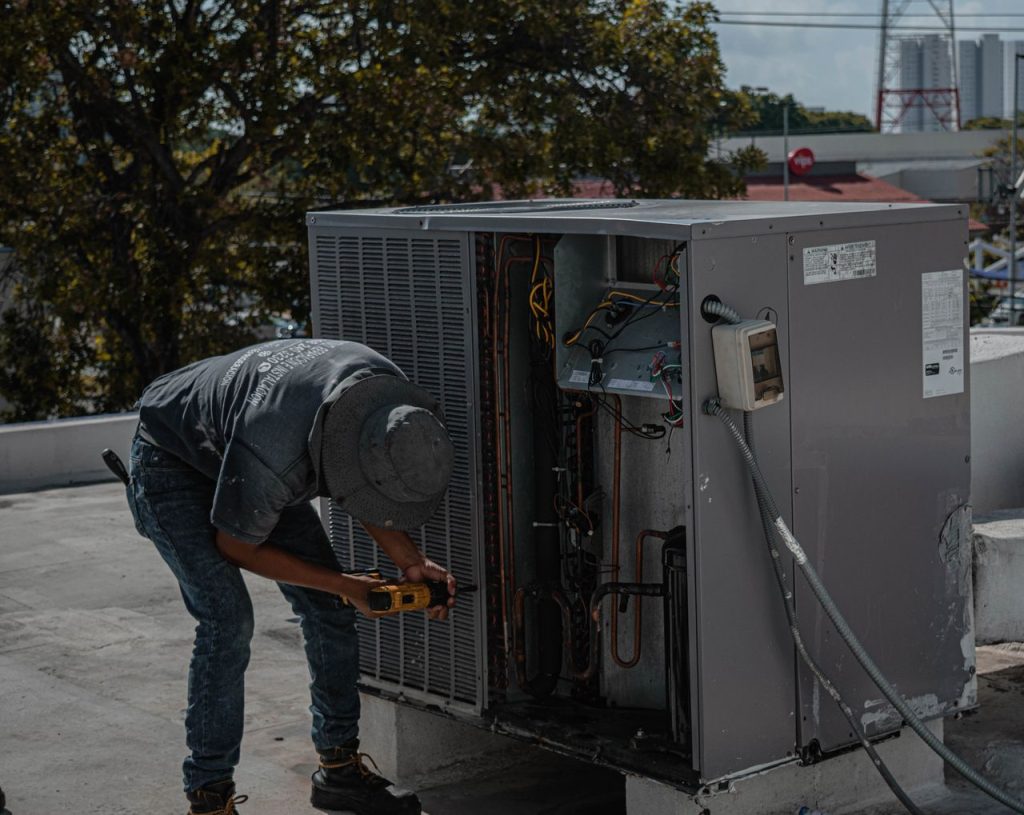
Key Takeaways
- A simple hvac maintenance checklist splits the work into monthly, seasonal and yearly tasks, so nothing gets forgotten.
- Check the air filter every month and replace it every one to three months. This one habit protects airflow, efficiency and indoor air quality.
- Book a professional inspection twice a year: the air conditioner in spring and the furnace in fall. Heat pumps need both visits.
- Raising the thermostat while away, blocking the sun and sealing leaks are the easiest ways to save money on air conditioning.
- Weak airflow, strange noises, burning smells and sudden bill spikes are signs to call a technician right away instead of waiting for the next tune-up.
- Regular maintenance helps the system last longer, keeps warranties valid and costs far less than emergency repairs.
A heating and cooling system works hard all year, often without anyone noticing until something goes wrong. In hot, dusty climates such as Las Vegas, the air conditioner may run for months with barely a break, and a furnace that sits unused all summer can struggle on the first cold night of winter. A clear hvac maintenance checklist turns that unpredictability into a simple routine. It shows which jobs homeowners can handle in a few minutes, which ones belong to a licensed technician and when each task should happen.
This guide brings everything together in one place: the monthly basics, the spring and fall routines, a dedicated ac maintenance checklist, furnace care, practical ways to cut cooling bills and the warning signs that should never be ignored. Each section links to a more detailed article for anyone who wants to go deeper on a specific topic.
Why an HVAC Maintenance Checklist Matters
Heating, ventilation and air conditioning equipment is one of the most expensive systems in any home, and it is also one of the most neglected. Dust builds up on coils, filters clog, drain lines collect algae and electrical connections loosen with vibration. None of these problems happen overnight, which is exactly why they are easy to miss. A checklist makes maintenance a habit instead of a reaction.
The benefits of regular hvac service add up quickly:
- Lower energy bills. Clean filters and coils let air move freely, so the system reaches the set temperature faster and runs for shorter cycles.
- Fewer breakdowns. Most major failures start as small issues, such as a weak capacitor, a dirty flame sensor or low refrigerant, that a technician can catch during a routine visit.
- Longer equipment life. A system that is not constantly straining wears out more slowly. Well-maintained furnaces and air conditioners often last years longer than neglected ones.
- Better indoor air quality. Fresh filters and clean ductwork trap more dust, pollen and pet dander, which matters for anyone with allergies or asthma.
- Safer operation. Gas furnaces need regular checks for cracked heat exchangers, gas leaks and carbon monoxide risks.
- Warranty protection. Many manufacturers require proof of regular professional maintenance to honor warranty claims.
Skipping maintenance rarely saves money in the long run. A system that has been ignored for several years often uses more energy, needs more repairs and has to be replaced sooner.
How Often to Inspect HVAC Systems
The general rule is two professional visits a year, one for cooling and one for heating. Knowing how often to inspect hvac equipment helps homeowners book appointments before the busy season, when technicians are easier to schedule and problems can be fixed before they cause discomfort.
- Air conditioner: inspect in spring, before the first heat wave.
- Furnace or boiler: inspect in fall, before the first cold snap.
- Heat pump: inspect twice a year, in spring and fall, because it handles both heating and cooling and runs nearly year-round.
- Ductwork: have it inspected every few years, or sooner if rooms heat or cool unevenly or there is visible dust around vents.
Homes with pets, older equipment, heavy dust or very long cooling seasons may benefit from more frequent filter changes and an extra check during peak season.
Monthly HVAC Maintenance Tasks
Monthly tasks take only a few minutes and have the biggest impact on everyday performance.
Check and Replace the Air Filter
The air filter is the single most important item on any hvac maintenance checklist. A clogged filter restricts airflow, forces the blower to work harder, raises energy use and can even cause the evaporator coil to freeze. Check the filter monthly and replace it every one to three months. Homes with pets, smokers, allergy sufferers or construction nearby may need to change it every month.
When replacing a filter, note the size printed on the frame and make sure the airflow arrow points toward the unit. A mid-range pleated filter is usually a good balance between filtration and airflow. Very high-rated filters can restrict airflow in systems that were not designed for them, so check the equipment manual before upgrading.
Keep Vents and Registers Clear
Furniture, rugs and curtains often end up covering supply vents or return grilles. Blocked vents create pressure imbalances, reduce comfort and make the system work harder. Walk through the home once a month and make sure every vent is open and unobstructed. Closing vents in unused rooms does not save energy in most homes; it usually just increases strain on the ductwork and blower.
Check the Thermostat
Make sure the thermostat is reading the correct temperature and switching modes properly. Replace batteries if the display looks faint. If the household schedule has changed, update the programming so the system is not heating or cooling an empty house.
Look and Listen
Spend a moment near the indoor and outdoor units. Listen for rattling, grinding or squealing. Look for water around the indoor unit, rust, loose panels or ice on refrigerant lines. Catching these early often means a simple fix.
AC Maintenance Checklist
The air conditioner does most of the heavy lifting in warm climates, so it deserves its own ac maintenance checklist. For a full step-by-step walkthrough, see this guide on how to maintain your ac unit. The essentials are below.
Safety first: turn off power to the system at the thermostat and at the outdoor shut-off box or breaker before cleaning any part of the unit.
Spring AC Tasks (Before Cooling Season)
- Clear the outdoor condenser. Remove leaves, grass clippings, dirt and debris. Trim shrubs and plants so there is at least one to two feet of open space on all sides.
- Rinse the condenser coils. Use a garden hose on a gentle setting. Avoid pressure washers, which can bend the delicate aluminum fins.
- Straighten bent fins. A fin comb, available at most hardware stores, restores airflow through damaged sections of the coil.
- Flush the condensate drain line. Pour about a cup of distilled vinegar into the access point near the indoor unit to clear algae and prevent clogs and water leaks.
- Replace the air filter. Start the cooling season with a fresh filter.
- Test the system. Run the AC for 15 to 20 minutes before the first hot day. Check that cool air flows from every vent and the outdoor fan spins.
- Book a professional tune-up. A technician should check refrigerant levels, test capacitors and contactors, tighten electrical connections, clean the evaporator coil and measure temperature differences across the system.
Summer AC Tasks (During Peak Use)
- Check the filter monthly, since heavy use and dust fill it faster.
- Keep the area around the condenser clear of yard waste and weeds.
- Make sure the condensate line is draining, especially during long run times.
- Watch for ice on the refrigerant lines, warm air from vents or the system running nonstop.
- Avoid setting the thermostat extremely low. Most systems can only cool a home about 15 to 20 degrees below the outdoor temperature, and pushing beyond that adds strain without cooling faster.
Fall AC Tasks (End of Cooling Season)
- Clean debris from around the outdoor unit one more time.
- Check that the unit sits level on its pad.
- In areas with freezing winters, some homeowners cover only the top of the condenser to keep out falling debris. Avoid wrapping the entire unit, which can trap moisture and attract pests.
How to Save Money on Air Conditioning
Cooling often makes up the largest share of summer energy bills. A few simple changes can make a real difference. For a full list of ideas, see this article on how to lower ac costs.
Use Smart Thermostat Settings
Around 78°F while at home is a common energy-saving target. Every degree higher reduces cooling costs. A programmable or smart thermostat can raise the temperature automatically when the house is empty and cool it down again before anyone returns.
Choosing the best ac temperature when away depends on how long the house will be empty. According to the U.S. Department of Energy, raising the thermostat 7 to 10 degrees for about eight hours a day can save up to around 10 percent a year on cooling. A general guide:
| Situation | Suggested Setting |
|---|---|
| At home and awake | Around 78°F |
| Away for a workday | About 82 to 85°F |
| Away for a weekend or vacation | About 85 to 88°F |
| Pets at home alone | No higher than about 80 to 82°F |
In very hot climates, turning the AC off completely while away is usually a mistake. Indoor temperatures can rise high enough to stress pets, damage electronics and warp wood. The system then has to run for hours to recover.
Keep the Heat Out
- Close blinds and curtains on south- and west-facing windows during the hottest part of the day.
- Seal gaps around doors and windows with weatherstripping and caulk.
- Check attic insulation, since heat from a hot attic radiates into living spaces.
- Run the oven, dryer and dishwasher in the evening to avoid adding heat during peak afternoon hours.
Use Fans Wisely
Ceiling fans make a room feel several degrees cooler, which allows a higher thermostat setting without losing comfort. Set fans to spin counterclockwise in summer and turn them off when leaving the room, since fans cool people, not spaces.
Keep the System Efficient
Every other item on this hvac maintenance checklist also helps cut costs. A clean filter, clear condenser, clean coils and correct refrigerant charge all let the system cool the house with less energy.
Furnace and Heating Maintenance Checklist
Even in warm climates, the heating system needs attention before winter. A furnace that sits idle for months can collect dust on burners and sensors, and small problems often show up on the first cold night.
Fall Heating Tasks
- Replace the air filter before the heating season starts.
- Test the system early. Switch the thermostat to heat and raise the setting a few degrees. A brief dusty smell on first use is normal; a lasting burning smell is not.
- Clear the area around the furnace. Keep storage boxes, cleaning supplies and anything flammable well away from the unit.
- Check vents and registers to make sure warm air reaches every room.
- Test carbon monoxide detectors and replace batteries. Every home with a gas furnace should have working CO detectors near sleeping areas.
- Schedule a professional inspection. A technician should inspect the burners, flame sensor, ignition system, heat exchanger, gas connections, venting and blower motor.
Signs Your Furnace Needs Repair
Knowing the signs your furnace needs repair helps prevent a cold night without heat and protects the household from safety risks. Call a technician if any of these appear:
- The furnace blows cool or lukewarm air.
- Some rooms stay cold while others are warm.
- The system turns on and off in short, frequent cycles.
- Loud banging, rattling, squealing or scraping noises.
- A yellow or flickering burner flame instead of a steady blue one.
- Rising gas bills with no change in usage.
- Soot around the furnace or a persistent burning smell.
- The furnace is more than 15 years old and needs frequent repairs.
If anyone smells gas, leave the home immediately and call the gas company from outside. Do not switch lights or appliances on or off.
Yearly HVAC Maintenance Tasks
Some jobs only need to happen once a year or every few years:
- Professional tune-ups: one for heating and one for cooling, as described above.
- Duct inspection: check for leaks, disconnected sections and heavy dust buildup. Leaky ducts in attics or crawl spaces can waste a significant share of heated or cooled air.
- Blower and motor check: a technician can clean the blower wheel and lubricate motors if needed.
- Thermostat review: consider upgrading an old manual thermostat to a programmable or smart model.
- Home efficiency check: look at insulation, window seals and attic ventilation, all of which affect how hard the HVAC system has to work.
- Records review: keep a simple log of filter changes, service dates, repairs and part replacements. This helps technicians diagnose problems and supports warranty claims.
Complete HVAC Maintenance Checklist at a Glance
| How Often | Task | DIY or Pro |
|---|---|---|
| Monthly | Check the air filter; replace if dirty | DIY |
| Monthly | Keep vents and registers clear | DIY |
| Monthly | Check thermostat settings and batteries | DIY |
| Every 1 to 3 months | Replace the air filter | DIY |
| Spring | Clear and rinse the outdoor condenser | DIY |
| Spring | Flush the condensate drain line | DIY |
| Spring | AC tune-up: refrigerant, electrical, coils | Pro |
| Summer | Watch for ice, leaks and weak cooling | DIY |
| Fall | Test the heating system early | DIY |
| Fall | Test carbon monoxide detectors | DIY |
| Fall | Furnace inspection: burners, heat exchanger, gas lines | Pro |
| Twice a year | Heat pump inspection | Pro |
| Every few years | Duct inspection and sealing | Pro |
What Happens During a Professional HVAC Tune-Up
A professional visit usually takes one to two hours and goes well beyond what homeowners can do on their own. A typical tune-up includes:
- Testing the thermostat and system controls.
- Measuring refrigerant pressure and checking for leaks.
- Cleaning the evaporator and condenser coils.
- Tightening electrical connections and testing capacitors, contactors and motors.
- Checking the blower assembly and belt, if present.
- Inspecting the burners, flame sensor, igniter and heat exchanger on gas furnaces.
- Testing for gas leaks and checking venting and carbon monoxide levels.
- Clearing and checking the condensate drain.
- Measuring airflow and the temperature difference between supply and return air.
Ask the technician for a written summary of what was checked and any parts that are wearing out. This makes it easier to plan and budget for repairs instead of dealing with them as emergencies.
Warning Signs That Cannot Wait
Twice-yearly inspections cover routine care, but some problems need attention right away:
- Warm air from the AC or cold air from the heater.
- Weak airflow from most or all vents.
- Constant running or very short on-off cycles.
- Water leaks around the indoor unit.
- Ice on refrigerant lines or the outdoor unit.
- Burning, musty or rotten-egg smells.
- Grinding, screeching, banging or buzzing noises.
- A breaker that trips repeatedly when the system starts.
- A sudden jump in energy bills with no change in usage.
Turning the system off and calling a technician early usually turns a major repair into a minor one.
DIY Maintenance vs. Professional Service
Homeowners can safely handle filter changes, clearing debris, rinsing condenser coils, flushing drain lines, checking vents and managing thermostat settings. These tasks cover most of what keeps a system running efficiently day to day.
Other jobs should always go to a licensed professional:
- Refrigerant work. Handling refrigerant requires certification, and adding refrigerant without fixing a leak only delays the problem.
- Electrical repairs. Capacitors can hold a dangerous charge even after the power is off.
- Gas furnace repairs. Gas lines, burners and heat exchangers carry fire and carbon monoxide risks.
- Motor and compressor replacement. These require specialized tools and training.
A good rule: if a task involves opening sealed panels, handling wiring or working with gas or refrigerant, call a professional.
Common HVAC Maintenance Mistakes
- Forgetting the filter. It is the cheapest and most effective maintenance item, yet the most often skipped.
- Setting the thermostat extremely low. It does not cool the house faster; it only makes the system run longer.
- Closing too many vents. This increases duct pressure and can damage the blower.
- Letting plants crowd the outdoor unit. Restricted airflow makes the condenser overheat.
- Ignoring small noises or leaks. Small issues almost always get more expensive with time.
- Waiting for a breakdown to call a technician. Emergency repairs during heat waves or cold snaps cost more and take longer to schedule.
Frequently Asked Questions
How often should an HVAC system be serviced?
Twice a year: the air conditioner in spring and the furnace in fall. Heat pumps also need two visits a year because they run in both seasons.
How often should an AC filter be changed?
Check it monthly and replace it every one to three months. Homes with pets, allergies or heavy dust may need monthly changes.
Can HVAC maintenance really lower energy bills?
Yes. Clean filters, clean coils and correct refrigerant levels help the system run shorter cycles and use less energy. Combined with smart thermostat settings, routine maintenance is one of the most reliable ways to save money on air conditioning.
What is included in an AC maintenance checklist?
Changing the filter, clearing and rinsing the outdoor condenser, straightening fins, flushing the condensate drain line, testing the system before the season and scheduling a yearly professional tune-up.
How long does an HVAC system last?
Lifespan varies with climate, usage and care, but many air conditioners last 10 to 15 years and many furnaces 15 to 20 years. Regular maintenance helps a system reach the upper end of that range.
Final Thoughts
An HVAC system rarely fails without warning. Clogged filters, dirty coils, blocked drains and worn electrical parts all leave clues long before a breakdown. Following a simple hvac maintenance checklist, with monthly filter checks, spring and fall tune-ups and a few smart thermostat habits, keeps the home comfortable, lowers energy bills and extends the life of expensive equipment.
For more detail on each part of the routine, explore these guides: