Key Takeaways
- Heating and cooling are usually the biggest part of a home’s energy use, so the fastest way to lower energy bill costs is to make the HVAC system work less.
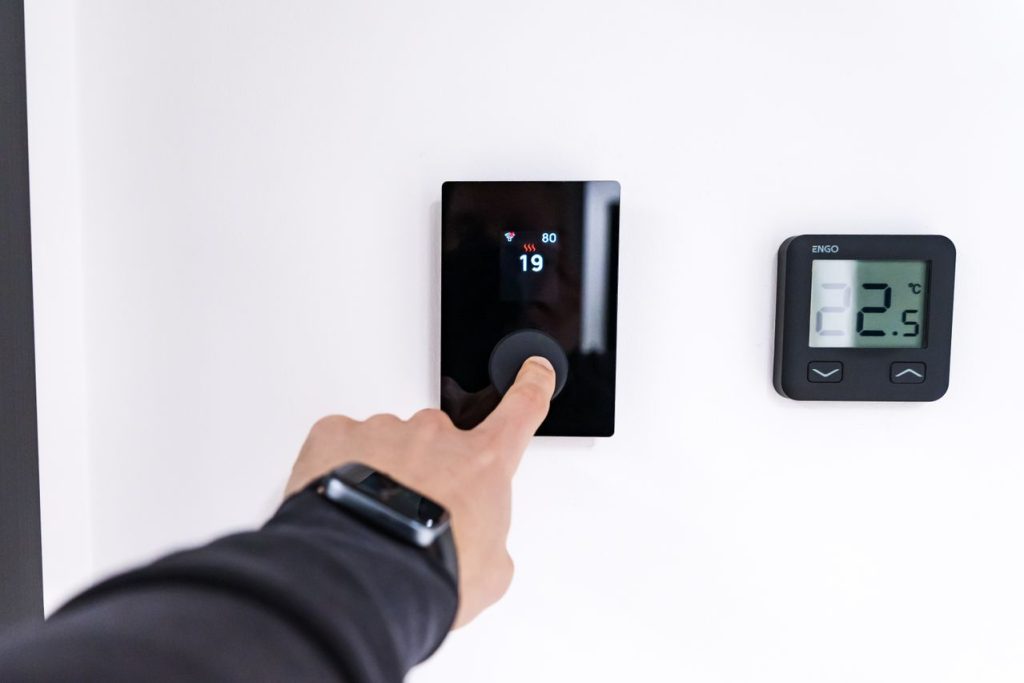
- Smart thermostat settings, both at home and while away, are one of the cheapest and most effective changes.
- Sealing air leaks, adding insulation and blocking summer sun keep conditioned air inside and reduce run time all year.
- For homes that heat with oil, buying fuel in the off-season and avoiding emergency deliveries can cut winter costs.
- Regular maintenance and catching furnace or AC problems early prevent wasted energy and expensive repairs.
- Water heating, lighting, appliances and standby power add up too, and most fixes there cost little or nothing.
Energy bills tend to spike twice a year: once when the summer heat arrives and again when winter sets in. In desert cities such as Las Vegas, the air conditioner can run for months with very few breaks, and cold desert nights still call for heat in winter. The good news is that most of the money spent on energy goes to a handful of systems, and each one has simple, practical fixes.
This guide explains how to lower energy bill costs through every season, from summer cooling and winter heating to water heating, appliances and small habits that add up. Each section links to a more detailed article for anyone who wants to dig deeper into a specific topic.
Where Your Energy Money Goes
Before cutting costs, it helps to know where the money goes. In a typical home, the largest share of energy use goes to heating and cooling, often close to half of the total. Water heating usually comes next, followed by appliances, electronics and lighting.
That breakdown points to a clear strategy:
- Reduce heating and cooling demand first. Thermostat habits, sealing leaks, insulation and shading make the biggest difference.
- Keep equipment running efficiently. A neglected furnace or air conditioner uses more energy to deliver the same comfort.
- Trim the smaller loads. Water heating, lighting and standby power are easy to cut with low-cost changes.
- Buy fuel and electricity wisely. Off-season fuel purchases and time-of-use rate plans can lower the price paid for each unit of energy.
How to Lower Electric Bill Costs in Summer
In hot climates, air conditioning is usually the single largest item on the summer electric bill. Every hour the compressor does not need to run is money saved. For a full list of ideas, see this guide on how to lower AC costs.
Set the Thermostat Smartly
Around 78°F while at home is a common energy-saving target in summer. Each degree higher reduces cooling costs. A programmable or smart thermostat can raise the temperature automatically when the house is empty and cool it again before anyone returns.
Choosing the best AC temperature when away depends on how long the house will be empty. According to the U.S. Department of Energy, raising the thermostat 7 to 10 degrees for about eight hours a day can save up to around 10 percent a year on heating and cooling. In extreme heat, avoid turning the AC off completely, since the house can get hot enough to stress pets and electronics, and the system then has to run for hours to recover.
Use Fans Instead of Lower Settings
Ceiling fans create a breeze that makes a room feel several degrees cooler, which allows a higher thermostat setting without losing comfort. Fans cool people, not rooms, so turn them off when a room is empty. In summer, set them to spin counterclockwise.
Keep the Sun Out
Sunlight through windows can heat a room quickly. Close blinds and curtains on south- and west-facing windows during the afternoon. Solar screens, reflective window film and exterior shades block even more heat. Planting shade trees on the west and south sides of the home helps over the long term.
Help the Outdoor Unit
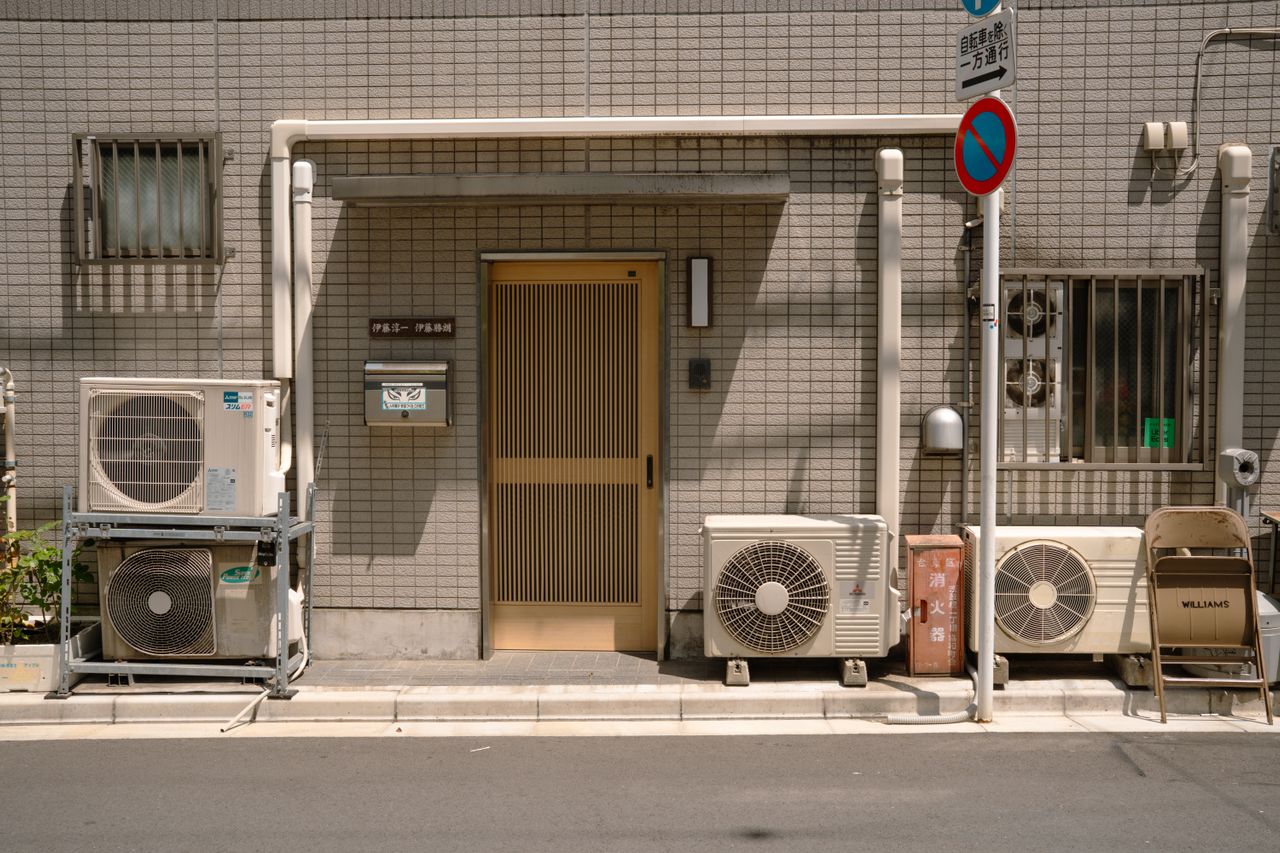
The outdoor condenser releases heat from the house into the outside air. When the air around it is extremely hot, or the coils are dirty, it has to work much harder. Keep the area around the unit clear, rinse the coils each spring and keep plants trimmed back.
Some homeowners in dry climates add a misting system to the condenser. So, do AC misters work? They can lower cooling costs in dry heat by cooling the air before it reaches the coil, but hard water can leave mineral scale and cause corrosion, so filtration and regular coil checks are important.
Shift Heat-Producing Chores
Ovens, dryers and dishwashers add heat to the home. Running them in the evening or early morning, rather than in the hottest part of the afternoon, keeps the AC from fighting extra heat. It can also save money if the utility charges more during peak hours.
Energy Saving Tips for Winter
Winter energy use depends on the type of heating system, the climate and how well the home holds heat. These energy saving tips for winter work for almost any home.
Lower the Thermostat
The U.S. Department of Energy suggests around 68°F while awake and lower while asleep or away. Every degree lower reduces heating costs. A programmable thermostat makes this automatic, so the house warms up just before everyone wakes up or comes home.
Use the Sun for Free Heat
Open curtains on south-facing windows during sunny winter days to let sunlight warm the home. Close them at night to hold the heat in. Insulated or thermal curtains add an extra layer against cold glass.
Stop Drafts
Cold air sneaks in around doors, windows, outlets on exterior walls, attic hatches and plumbing openings. Weatherstripping, door sweeps, caulk and outlet gaskets are inexpensive and easy to install. Sealing drafts helps in summer too, by keeping hot air out.
Reverse Ceiling Fans
In winter, set ceiling fans to spin clockwise on low speed. This gently pushes warm air that collects near the ceiling back down into the room, especially in rooms with high ceilings.
Keep Vents and Radiators Clear
Furniture, rugs and curtains that cover vents or radiators block warm air and make the system run longer. Keep at least a few inches of open space around every vent.
Lower Heating Fuel Costs
Homes that heat with oil or propane face a different kind of bill: the price of the fuel itself. These prices change through the year, and timing purchases well can make a real difference.
Knowing the best time to buy heating oil is a good place to start. Prices are usually lowest in late spring and summer, when demand drops, and highest during cold snaps in winter. A few other ways to save:
- Ask about pre-buy or price-cap plans that lock in a price before winter.
- Use a budget plan to spread payments evenly through the year.
- Order larger amounts less often, since small deliveries often carry extra fees.
- Order before the tank drops below about a quarter full to avoid emergency delivery charges.
- Compare several suppliers each season instead of staying with one out of habit.
Keep Heating and Cooling Equipment Efficient
A heating or cooling system that is dirty, worn or out of adjustment can use far more energy than it should. Maintenance is one of the most reliable ways to lower energy bill costs without giving up comfort.
Replace Air Filters Regularly
A clogged filter restricts airflow, forces the blower to work harder and can cause the system to overheat. Check the filter every month and replace it every one to three months, or more often with pets or heavy dust.
Schedule Seasonal Tune-Ups
A professional inspection in spring for the air conditioner and in fall for the furnace keeps both systems running efficiently. Technicians clean coils, check refrigerant, tighten electrical connections and test safety controls. Following a complete HVAC maintenance checklist makes it easy to remember every task through the year.
Catch Problems Early
Small problems waste energy long before they cause a breakdown. Learning to spot common furnace problems, such as weak airflow, short cycling, strange noises or a yellow burner flame, helps homeowners call for service before a minor issue turns into an expensive repair.
Seal and Insulate Ducts
Ducts that run through attics, garages or crawl spaces can leak a large share of heated or cooled air before it reaches the living space. Sealing joints with mastic or metal-backed foil tape and adding insulation to ducts in unconditioned spaces can noticeably improve comfort and efficiency.
Seal and Insulate the Home
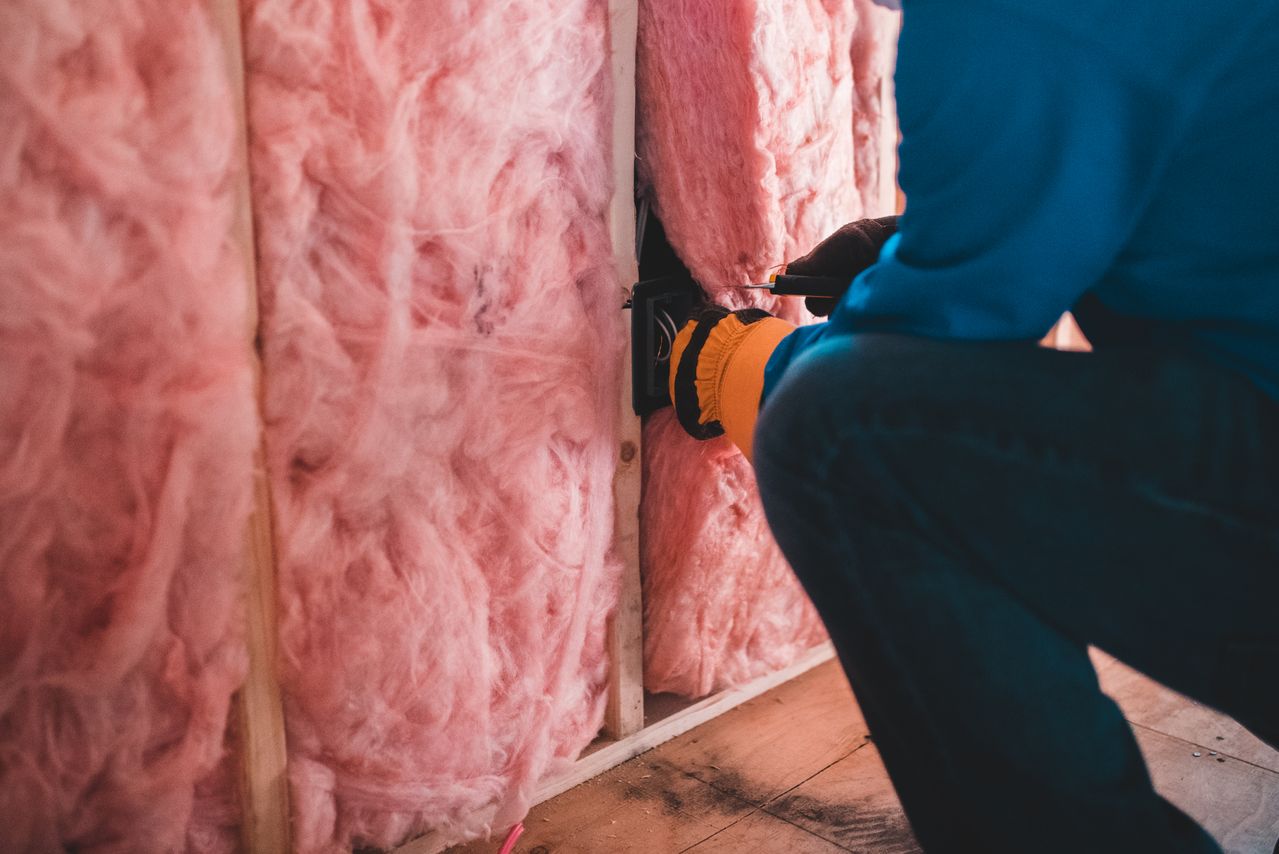
Insulation and air sealing work in every season. They keep heat out in summer and in during winter, so the HVAC system runs less all year.
- Attic insulation: the attic is often the biggest source of heat gain and loss. Adding insulation to an under-insulated attic is one of the most cost-effective upgrades.
- Air sealing: seal gaps around plumbing, wiring, recessed lights and the attic hatch before adding insulation.
- Windows: weatherstrip operable windows, use thermal curtains and consider storm windows or window film before investing in full replacements.
- Doors: add door sweeps and replace worn weatherstripping on exterior doors, including the door to the garage.
A professional home energy audit can pinpoint exactly where a home loses the most energy. Some utilities offer audits at low or no cost.
Cut Water Heating Costs
Water heating is often the second-largest energy expense in a home. Simple changes can make a noticeable difference:
- Set the water heater to 120°F. Many units are set higher at the factory, which wastes energy and increases the risk of scalding.
- Install low-flow showerheads and faucet aerators to reduce hot water use without a noticeable loss in pressure.
- Wash clothes in cold water whenever possible. Most of the energy used by a washing machine goes to heating water.
- Fix dripping hot water faucets promptly.
- Insulate the first few feet of hot water pipes and, on older tanks, consider an insulating blanket if the manufacturer allows it.
- Flush the tank yearly to remove sediment that makes the heater less efficient.
Lighting, Appliances and Standby Power
These loads are smaller individually, but together they add up.
Switch to LED Lighting
LED bulbs use a fraction of the energy of old incandescent bulbs and last many years longer. Replacing the most-used bulbs first gives the fastest return.
Stop Phantom Loads
Many electronics draw power even when switched off. TVs, game consoles, chargers, printers and computer equipment are common culprits. Smart power strips or simply unplugging rarely used devices can trim this standby use.
Use Appliances Efficiently
- Run dishwashers and washing machines only with full loads.
- Clean the dryer lint filter after every load and check the vent for buildup.
- Keep the refrigerator at about 37 to 40°F and the freezer at about 0°F.
- Replace very old refrigerators and freezers, which can use far more energy than newer models. Look for ENERGY STAR certified appliances when replacing.
Take Advantage of Utility Programs
Many utilities offer tools and programs that help customers save:
- Time-of-use rates: electricity costs less during off-peak hours. Running dishwashers, laundry and other flexible loads at those times can lower the bill.
- Rebates: utilities often offer rebates for smart thermostats, insulation, efficient HVAC equipment and appliances.
- Energy audits: many provide free or discounted home energy assessments.
- Usage tracking: online dashboards show when and where energy use spikes, which makes it easier to find savings.
Check the utility’s website or call customer service to see which programs are available in the area.
Common Mistakes That Raise Energy Bills
Even careful households make a few habits that quietly push costs up. Avoiding them is an easy part of learning how to lower energy bill totals month after month:
- Setting the thermostat extremely high or low to heat or cool faster. The system delivers air at the same temperature regardless of the setting, so this only makes it run longer and overshoot.
- Closing vents in unused rooms. In most forced-air systems, this raises pressure in the ducts, increases leaks and makes the blower work harder.
- Ignoring the air filter. A clogged filter is one of the most common causes of high bills and early equipment wear.
- Running the dryer, oven and dishwasher during peak afternoon heat. This adds heat indoors and may cost more under time-of-use rates.
- Leaving exhaust fans on. Bathroom and kitchen fans can pull out a surprising amount of heated or cooled air if left running for hours.
- Waiting for a breakdown. Skipping tune-ups lets small, energy-wasting problems grow into costly repairs.
Low-Cost Fixes vs. Bigger Upgrades
| Type | Examples | Typical Cost |
|---|---|---|
| Free habits | Thermostat adjustments, closing blinds, cold-water laundry, full loads | None |
| Low-cost fixes | Air filters, weatherstripping, door sweeps, LED bulbs, smart power strips | Low |
| Mid-range upgrades | Smart thermostat, attic insulation, duct sealing, solar screens | Moderate |
| Major upgrades | High-efficiency AC or furnace, new windows, heat pump water heater | High |
Starting with free habits and low-cost fixes delivers savings right away. Bigger upgrades make the most sense when existing equipment is near the end of its life or a home energy audit shows a clear payoff.
Seasonal Energy Saving Checklist
The simplest way to remember how to lower energy bill costs through the year is to tie each task to a season:
| Season | Tasks |
|---|---|
| Spring | Schedule an AC tune-up, clean the outdoor unit, replace the air filter, buy heating oil while prices are low |
| Summer | Set the thermostat around 78°F at home, close blinds in the afternoon, run heat-producing chores in the evening |
| Fall | Schedule a furnace inspection, seal drafts, test carbon monoxide detectors, top off fuel tanks before winter |
| Winter | Set the thermostat around 68°F while awake, open south-facing curtains on sunny days, reverse ceiling fans |
| All year | Check the air filter monthly, keep vents clear, unplug unused electronics, watch for warning signs of HVAC problems |
Frequently Asked Questions
What uses the most energy in a home?
Heating and cooling usually use the most energy, followed by water heating. That is why thermostat settings, insulation and HVAC maintenance have the biggest effect on energy bills.
What is the fastest way to lower an energy bill?
Adjusting the thermostat is the fastest and cheapest change. Raising it in summer and lowering it in winter, especially while away or asleep, reduces heating and cooling costs right away.
Does turning the AC off while away save money?
In mild weather, it can. In extreme heat, a raised setting usually works better, because the system does not have to run for hours to bring a very hot house back down.
Is it cheaper to buy heating oil in summer?
Usually, yes. Demand is lower in late spring and summer, so prices and delivery fees are often lower than during the winter heating season.
Do energy-efficient upgrades pay for themselves?
Many do over time. Low-cost items like LED bulbs, weatherstripping and smart thermostats often pay back quickly. Larger upgrades depend on local energy prices, available rebates and how long the household plans to stay in the home.
Final Thoughts
Learning how to lower energy bill costs does not require a major renovation. The biggest savings come from helping the heating and cooling system work less: smart thermostat settings, sealed and insulated spaces, clean filters and regular tune-ups. From there, buying fuel at the right time, cutting water heating waste and trimming standby power keep costs down all year.
For more detail on each topic, explore these guides: